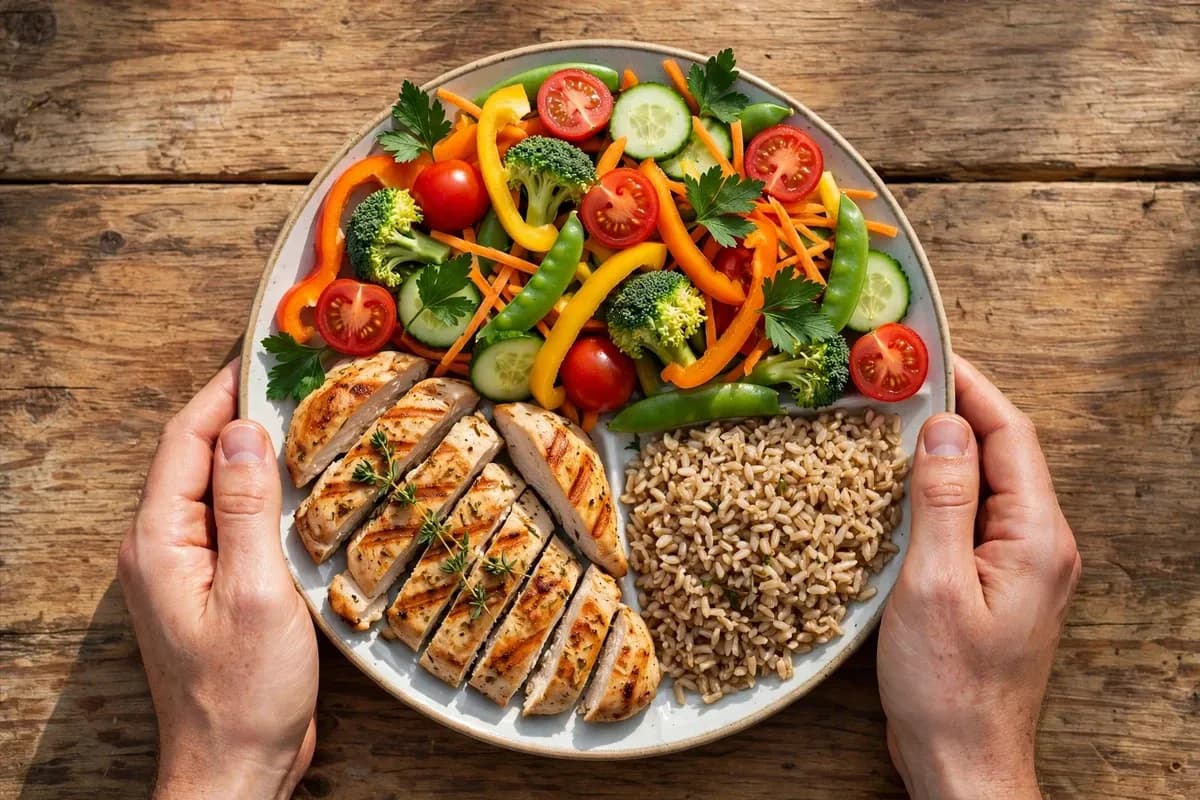
Day 4: The First Bite
Give your first bite your full attention. Taste it fully, and let one slow bite set the pace for the whole meal.
Medically reviewed by Daniel Reyes, MS, RDFact checked by Marcus Bell, PharmDWritten by Amara Okafor, MD

Key takeaways
- The first bite tastes strongest, while your senses are fresh.
- Taste fades as a meal goes on, so early bites matter most.
- A small first bite is easier to taste fully than a large one.
- Smell is a big part of flavour, so breathe it in first.
- One slow bite can set the pace for the whole meal.
Day 4: The First Bite
Give your first bite your full attention. Taste it fully, and let one slow bite set the pace for the whole meal.
Quick answer
Learning how to savor food starts with the first bite. Flavours are strongest while your senses are fresh, and taste fades as a meal goes on. Rush the first bite, and you miss the best-tasting part. Slow down for that one bite.
Why it works
Paying close attention to the first bite works because it uses your senses at their freshest. When you notice smell, texture, and flavour, your brain registers the meal more fully, and less food can feel more satisfying. Cleveland Clinic dietitian Maxine Smith notes that people who savour foods and engage all their senses can feel satisfied with smaller portions. Our Nutrition hub has ideas for meals worth savouring.
A real-life example
Think of a meal you rushed through last week. You were hungry, the food was in front of you, and within a few minutes the plate was empty. Did you enjoy it? Most people, asked honestly, say they barely remember it. Now think of a meal you really enjoyed, perhaps a favourite dish on a holiday, or a piece of fruit eaten slowly on a warm day. You probably remember the first bite best: the smell, the flavour, the texture. That is the point of today. One slow first bite is a small way to give an ordinary meal a little of that holiday feeling. You do not need special food, or more time. You only need one bite, taken slowly, before the rest of the meal begins.
How to do it
- Pick one meal today and put your screens away, just like in Day 3: No Screens at Meals.
- Look at your food first. Notice the colours and any steam rising from hot food.
- Smell it. Bring the food close and breathe in slowly.
- Take a small bite, smaller than usual, and put your fork down.
- Chew slowly. Notice the first flavour, the flavours that follow, and the texture.
- Swallow, pause for a breath, and ask yourself what you noticed.
Your Day 4 Plan: Do This Today
- Choose one meal and put your screens away before you sit down.
- Look at your food and smell it before the first bite.
- Take a small first bite, put your fork down, and chew slowly.
- Notice the flavour and texture as you chew.
- Carry the same slow attention into the next two or three bites.
Common Mistakes
Taking a huge first bite. A large bite is hard to taste fully. A small bite gives you more to notice.
Rushing on to the second bite. Loading the next bite before you finish the first breaks the spell. Put your fork down and finish chewing first.
Judging the food instead of tasting it. Thoughts like "this is good" pull you out of the moment. Just notice what is there.
Saving the best bite for last. Some people rush through the meal and save the tastiest part for the end, when their senses are already tired. Taste the best part first, while your senses are fresh.
What if you do not enjoy the food?
Then the exercise is still useful. Notice what you do not enjoy, without judging yourself. Is it the flavour, the texture, or simply that you are not hungry yet? That helps you choose better next time. You do not have to finish food you dislike. A plain meal can still teach you about your tastes.
What To Do Next
You now have four small skills that work together: rating hunger, slowing a meal to 20 minutes, eating without screens, and tasting the first bite. Tomorrow, in Day 5: Portion Awareness, you will serve a sensible portion and pause halfway before deciding on more. If mealtimes often feel tense, our Mental Health hub has gentle ideas for calmer days.
“When we eat and our mind is aware of each bite, savoring the taste and the nourishment it gives us, we are already practicing mindfulness.”
This content is for informational purposes only and is not medical advice, diagnosis, or treatment. Mindful eating is a general wellness practice, not a treatment for an eating disorder. If eating feels out of control or causes distress, talk to a clinician or registered dietitian.
Frequently asked questions
Do I need to close my eyes for the first bite?
No, but it helps some people. Closing your eyes can sharpen your taste and smell. If it feels awkward, just look at your plate and focus on the bite.
What if my mind wanders during the first bite?
That is normal. Gently bring your attention back to the taste in your mouth.
Can I do this exercise at a meal with other people?
Yes. Take your first bite a little more slowly than usual. Nobody will notice, but you will taste the difference.
Can I savour food I do not like?
Yes, in a different way. Savouring means noticing, not praising. If a food tastes bland or strange, noticing that is useful too. It tells you what to change next time, or what to leave on the plate.
How we reviewed this article
Beargoal has strict sourcing guidelines and relies on peer-reviewed studies, academic research institutions and medical associations. We avoid tertiary references. Learn more in our editorial process.
- Cleveland Clinic How to Practice Mindful Eating . https://health.clevelandclinic.org/mindful-eating
No revisions recorded yet.
Medically reviewed by Daniel Reyes, MS, RDFact checked by Marcus Bell, PharmDWritten by Amara Okafor, MD
This content is for informational purposes only and is not medical advice, diagnosis or treatment. Read our full disclaimer.