
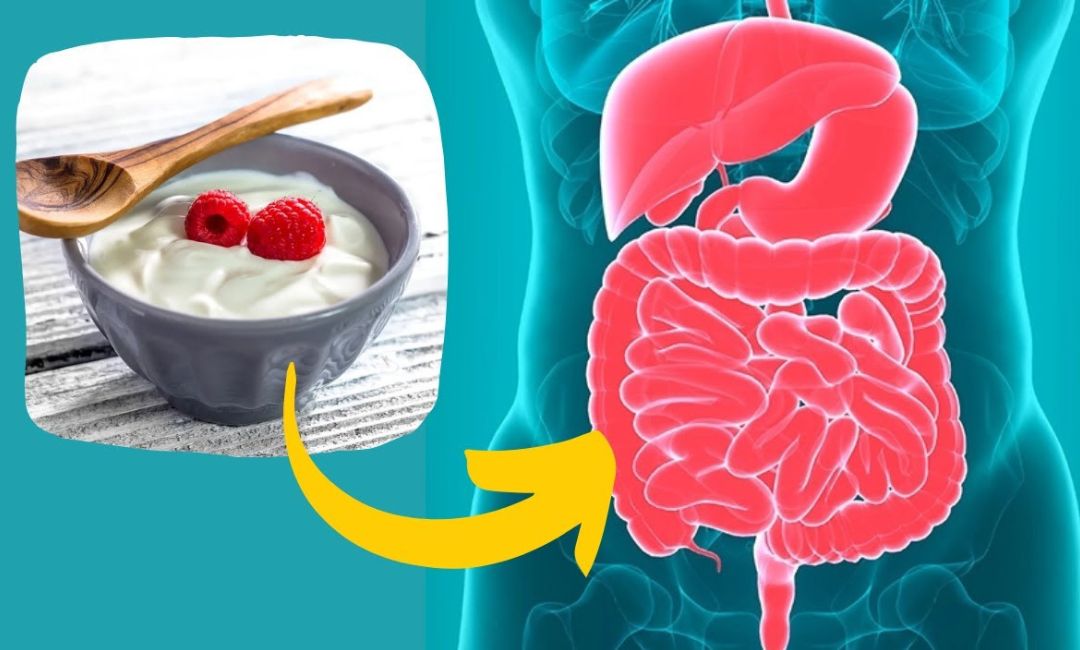
Consider a food that not only can be breakfast, a snack, a sauce, and even dessert, with a larger nutritional impact than nearly any supplement: yogurt, a tasty, creamy, sour food that has been nourishing people for more than 7000 years.
In addition, contemporary yogurt is special in the sense that it is among the few foods that have extraordinary benefits but happen to taste yummy peanut butter chocolate chip ice cream! If you are a fitness enthusiast seeking muscle recovery, a person experiencing digestive problems, or merely trying to eat healthily, yogurt is simply something special.
You may have already been enjoying yogurt with fresh fruit, crunchy granola, or even as a creamy sauce on your favorite foods; but have you ever asked yourself why yogurt is such a nutritional superfood? This fermented milk food is delicious—not to mention filled with the all-important nutrients necessary for digestion, bone health, immune function, and beyond. Sweet or savory, yogurt is a highly versatile food that can be easily integrated into any healthy diet. For more on the health benefits of healthy eating, visit this comprehensive guide on fruit, vegetables, and yogurt nutrition.
Why Yogurt Deserves Its Superfood Status
Yogurt is more than a tasty treat; it’s substantial in nutrient value that will help keep your body working well. Here’s what you will find in every spoonful!
- High-quality protein (excellent for muscle repair & fullness)
- Probiotics (friendly bacteria for healthy digestion)
- Calcium & phosphorus (strong bones)
- B vitamins (B12 & riboflavin) (for energy & metabolism)
- Magnesium & potassium (nerve & muscle function)
Nutritional Comparison (Per 100g)
Nutritional Breakdown of Yogurt (per 100g) given below
| Nutrient | Plain Yogurt (Whole Milk) | Greek Yogurt (Plain) | Low-Fat Yogurt (Plain) |
| Calories | 61 kcal | 59 kcal | 50 kcal |
| Protein | 3.5 g | 10 g | 5 g |
| Total Fat | 3.3 g | 0.4 g | 1.5 g |
| Carbohydrates | 4.7 g | 3.6 g | 6.3 g |
| Calcium | 125 mg | 110 mg | 120 mg |
| Potassium | 141 mg | 141 mg | 152 mg |
| Vitamin B12 | 0.9 mcg | 0.7 mcg | 0.6 mcg |
| Magnesium | 18 mg | 10 mg | 12 mg |
| Phosphorus | 95 mg | 130 mg | 104 mg |
Note: Nutritional values will vary by brand and type.
The Power of Probiotics: A Boost for Your Gut
Perhaps one of the best benefits of yogurt is its probiotics; beneficial bacteria that are live and good for a healthy gut. These good microbes do the work by:
- Regulating gut bacteria (preventing bloating and discomfort)
- Building immunity
- Increasing digestion
- Daily consumption of yogurt can even heal irritable bowel syndrome (IBS), constipation, and diarrhea.
Stronger Bones, Healthier Body
Owing to its calcium, phosphorus, and magnesium, yogurt is necessary to keep bones dense, particularly as we get older. These minerals aid in:
- Preparing the body against osteoporosis (particularly necessary in postmenopausal women)
- Enamelize teeth and bones
- Aiding muscle and nerve function
Yogurt for Weight Management
If you are on a diet, yogurt is your friend. Its protein power keeps you satisfied for longer, making you forget about additional snacking. Science proves that yogurts consumed by eaters who have a daily serving of it are more likely to be healthier in weight.
Types of Yogurt & How to Choose
All yogurts are not alike. Here is a convenient cheat sheet:
| Type of Yogurt | Description |
| Regular Yogurt | – Made from whole milk – Creamy texture – Higher fat content |
| Greek Yogurt | – Strained to remove whey – Thicker texture – Higher protein content |
| Non-fat / Low-fat Yogurt | – Made from skim or low-fat milk – Fewer calories – Lower fat |
| Flavored Yogurt | – Contains added fruits/sweeteners – Enhanced taste – May contain added sugars |
| Kefir | – Thinner consistency – Fermented milk product – Rich in diverse probiotics |
Delicious Ways to Enjoy Yogurt
Yogurt is not limited to breakfast—its possibilities are limitless! Try these:
- Breakfast: Top yogurt with granola and berries to create a parfait
- Smoothies: Combine with spinach, banana, and almond butter
- Savory foods: Apply as salad dressing or tzatziki base
- Dessert: Freeze with honey and vanilla as a healthy “ice cream”
Who Should Eat Yogurt?
- Weight loss dieters → Select low-fat, unsweetened yogurt
- Health club goers → Greek yogurt with added protein
- Lactose-intolerant people → Use lactose-free or plant-based alternatives
- Keto dieters → Full-fat Greek yogurt is an excellent choice
Easy Ways to Eat More Yogurt
- Swap mayonnaise or sour cream out with yogurt for dips and dressing
- Add in oatmeal as a thickening agent and add some extra protein
- Add it to baked desserts (sub oil or butter used in pancakes, muffins)
- Create fro-yo pops for a quick summer snack
Final Thoughts
Yogurt is a delicious dessert and a nutrition superstar that works for digestion, immunity, bone health, and weight. However you enjoy it—sweet or savory—there’s yogurt for every individual in your family. For more on healthy nutrition and brain-friendly food choices, see this comprehensive nutrition guide.
FAQ’s
Q: Is yogurt superior to milk?
A: Absolutely! Yogurt is filled with probiotics and usually less difficult to digest.
Q: Can I have yogurt daily?
A: You bet—just watch out for added sugars in the flavored version.
Q: What is the healthiest yogurt?
A: Plain Greek yogurt takes the prize for high protein and probiotics.
Ready to turbocharge your diet? Grab a spoon and indulge in the creamy, healthy goodness of yogurt today!