Milk and milk products have been and are food sources of dietary basics for humans, and they are an important food source that has been relatively present across almost all cultures. Milk is an important food source because of the wide variety and amount of essential nutrients provided in their foods, and they are also a significant food source of sustenance for infants and children. Milk is often highlighted for its calcium content. However, milk and milk products are actually good and various sources of their respective bioactive fractions that are required for human development, immunity, and optimal health. For personalized health management, tools like the BMI Calculator, Ideal Body Weight Calculator, and Water Intake Calculator can complement a balanced diet including dairy.
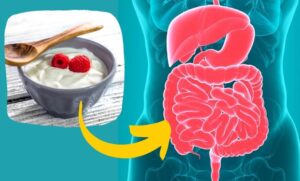
Milk and milk products encompass liquid milk(cow, goat, buffalo), fermented products (yogurt, kefir), cheese, cream, and butter. They are important food sources that have value for their nutritional sources along with their respective unique antimicrobial and immunomodulatory components which contribute to both human health and safety.
Nutritional Composition and Bioactive Components
Milk is a rich source of macronutrients and micronutrients. It is a good source of high-quality protein, lactose (a natural sugar), and fats that are very valuable, in addition to several essential vitamins and minerals. Moreover, milk contains bioactive peptides, immunoglobulins, and enzymes with different physiological functions. For more insights on bone health and milk’s role, visit the related Osteoporosis Causes, Symptoms & Prevention page.
| Category | Components | Health Benefits |
| Proteins |
|
|
| Carbohydrates |
|
|
| Fats |
|
|
| Vitamins |
|
|
| Minerals |
|
|
| Bioactives |
|
|
Global Dietary Guidelines
The consumption of milk and dairy products features prominently in dietary guidelines worldwide.
- The World Health Organization (WHO) and FAO have encouraged individuals to consume dairy products regularly in their daily diet to address undernutrition, and diseases related to micronutrient deficiencies. G
- lobally, guidelines recommend that an average adult consume roughly 2–3 servings of dairy a day or, equivalent to 500-750 ml of milk or alternatives.
Microbial Spoilage of Milk and Dairy Products
Microbial spoilage of milk can be influenced by the storage temperature, the hygiene during and after milking and the length of time milk is stored. Raw milk can spoil because of bacteria that can grow rapidly in a medium containing moisture, neutral pH and nutrients.
Spoilage Organisms in Milk
| Microorganism | Effect on Milk |
| Pseudomonas spp. | Lipolysis and proteolysis; off-flavors |
| Lactobacillus spp. | Acidification, curdling |
| Bacillus spp. | Heat-resistant spores, cause spoilage in UHT milk |
| Clostridium spp. | Gas production, off-odors |
| Yeasts and molds | Surface spoilage in cheese and butter |
Pasteurization and ultra-heat treatment (UHT) are widely applied to reduce microbial load and extend shelf life.
Economic and Nutritional Value
Globally, dairy contributes $500 billion to the economy each year. Losses of dairy from spoilage and contamination reduce food availability and introduce public health risks that must be rectified for the benefit of the public. The most effective way to combat food loss at the business level is to improve hygienic practices and efficiency, promote local fermentation, and to invest in sustainable cold chains. For more information and consultation on nutrition, you can visit Beargoal.
TMilk is a food with distinct types of milk based on source and processing method, and fat content, each offering particular nutritional and functional properties that suit a variety of dietary preferences and needs.
Types of milk
| Type of Milk | Description | Nutritional Features |
| Cow’s Milk |
|
|
| Buffalo Milk |
|
|
| Goat’s Milk |
|
|
| Sheep’s Milk |
|
|
| Camel’s Milk |
|
|
| Plant-Based Milk |
|
|
| Lactose-Free Milk |
|
|
| Raw Milk |
|
|
| Pasteurized Milk |
|
|
| UHT Milk (Long-Life) |
|
|
Sustainable Options and Future Directions
Although some dairy products use synthetic preservatives, many natural preservatives are garnering interest, such as:
- Essential oils (e.g. thyme, clove, and cinnamon)
- Plant extracts (e.g. green tea polyphenols)
- Bacteriocins (e.g. nisin, from Lactococcus lactis)
These examples containing fewer side effects have a lot of antimicrobial potential. However more research is required to scale up, compatible with taste and regulatory approval .
Conclusion
Milk and dairy are important contributors to global nutrition and food security. The high concentration of essential nutrients, and natural antimicrobial components present in milk and dairy portray milk and dairy as functional food products that provide significant health benefits. However, because of their high perishability and susceptibility to microbial spoilage, proper, relevant and innovative handling, processing and preservation methods are crucial. Continued research into natural barriers, probiotics, and sustainable preservation methods, will only enhance safety, waste reduction and public health within dairy products. For personalized advice on incorporating dairy for optimal health, consider scheduling a free consultation with nutrition experts to guide your dietary choices and ensure safety.